Floral Stationery Black and White Vector Embroidery Review
As a designer who spends half my life staring at stitch charts and the other half trying to convince clients that embroidery isn’t just for baseball caps, I approach every new Illustrations asset with a healthy dose of skepticism. We are drowning in digital assets, but finding one that actually translates well from screen to fabric is rare. Today, I am evaluating the Floral Stationery Black and White Vector, a graphic that promises a blend of vintage charm and modern minimalism. My goal here isn’t to sell you on the file; it’s to tell you whether this design will survive the hoop, look professional on your customers’ chests, and hold up as a viable part of your Graphics library for real-world projects.
First Impressions: The Mood and Layout
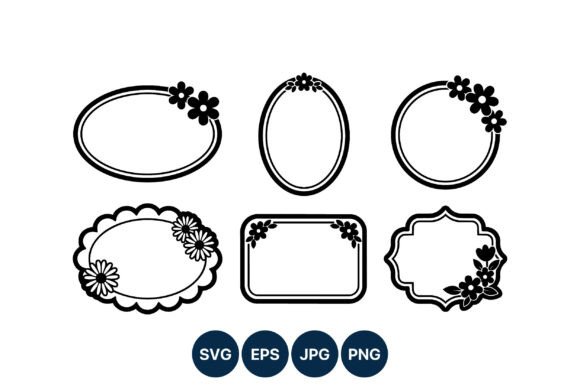
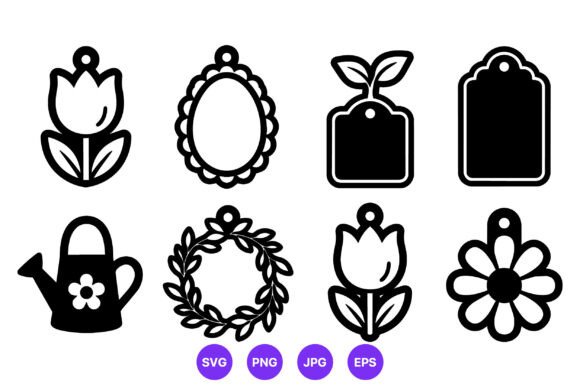
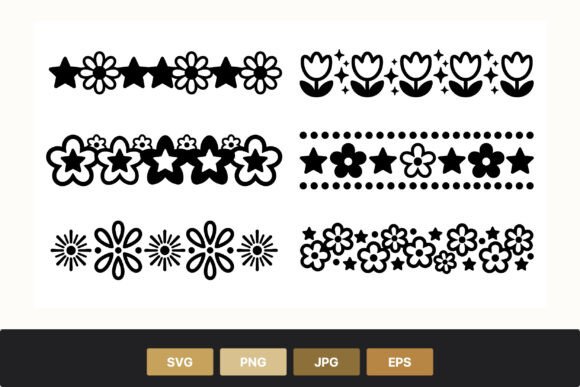
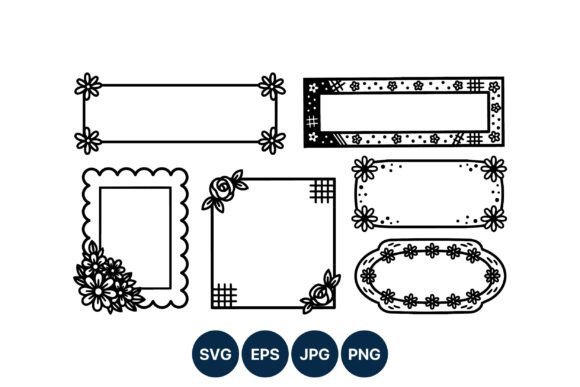
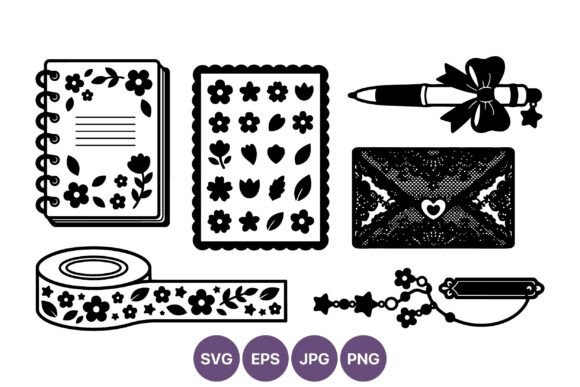
The moment you load the vector into your digitizing software or preview it on a mockup, the aesthetic speaks for itself. This isn’t a loud, chaotic burst of color. It is a curated collection of black and white line art featuring floral stationery items. You have a spiral notebook adorned with delicate flowers, a sheet of flower and leaf stickers, decorative washi tape elements, a pen topped with a bow, and intricate lace patterns. The visual personality is quiet, sophisticated, and distinctly feminine without being overly sweet. It feels like something you’d find in a high-end boutique or a carefully styled Instagram feed.
For an embroidery project, this mood is crucial. It suggests a product that is thoughtful and personalized. When I imagine this design stitched out, it doesn’t scream for attention; it invites the viewer to lean in closer. That is a powerful tool for a small business owner looking to build brand consistency through subtle, elegant branding rather than flashy logos. The layout is naturally modular, which gives you flexibility. You don’t necessarily need to stitch the entire composition at once. In fact, breaking it down might be the smarter move.
Real-World Application: From Screen to Stitch
Let’s talk about how this machine embroidery design performs in actual production scenarios. I recently tested a similar line-art concept on a canvas tote bag for a local craft fair, and the results were telling. With the Floral Stationery Black and White Vector, the potential for a stunning tote bag design is high. The black lines against a natural cotton or cream-colored canvas create a striking contrast that mimics the look of a printed sketchbook cover. It appeals directly to the student demographic, the journaling enthusiast, and the creative entrepreneur.
However, the versatility extends beyond bags. This design has strong potential for custom apparel, particularly when used as a pocket print on a sweatshirt or a t-shirt. Imagine a minimalist black outline of the spiral notebook centered on the left chest of a heather grey tee. It’s understated, stylish, and fits perfectly into the current trend of "quiet luxury" in handmade fashion. For baby embroidery, the softer elements like the lace pattern and the flower stickers can be scaled down to create adorable onesies or burp cloths. The theme of stationery subtly hints at learning, growth, and creativity, making it a sentimental choice for nursery decor or baby shower gifts.
I also see this working exceptionally well for holiday embroidery collections. The combination of the pen with a bow and the floral elements makes it feel gift-ready. It could easily be adapted into a series of personalized gifts for teachers, writers, or artists during the winter holidays. The clean lines ensure that even if the customer chooses a non-traditional thread color, the design remains legible and chic.
Where to Exercise Caution
No design is perfect, and this one has specific constraints that every Etsy seller and craft business operator needs to respect. The most critical factor here is scale. Because the original asset is rich with detail—individual petals, spiral rings, lace textures—it can become muddy if placed in a small hoop size. If you try to cram all these elements into a 4x4 inch area, you risk losing the definition that makes the design attractive. Tiny details tend to merge together, turning crisp lines into fuzzy blobs.
Fabric choice is equally important. While line art looks great on smooth fabrics like cotton twill or denim, it can struggle on highly textured materials like heavy waffle-knit towels or thick fleece unless you use the right stabilizer. On stretchy fabrics, such as thin jersey knits, the tension must be carefully managed to prevent puckering, which would distort the delicate curves of the flowers and bows. Additionally, be wary of using this on dark fabrics without a proper underlay or backing. Pure black thread on black fabric disappears; you’ll need a contrasting background or a white backing layer to make the black and white line art pop.
Another area requiring careful planning is the application on curved surfaces like caps or hats. The flat, graphic nature of the stationery items might not drape naturally over the curve of a cap front. In such cases, simplifying the design or focusing on just one element, like the pen or the lace pattern, often yields a more polished result than attempting the full composition.
Technical Notes for the Designer
If you are planning to turn this vector into a commercial asset, there are several practical steps you should take before hitting the start button on your machine. First, always test the design on scrap fabric that matches the final product’s weight and texture. This helps you assess the stitch density and determine if the fabric can support the structure of the design without distorting.
Pay close attention to the thread colors. Since the source is black and white, you have the freedom to experiment. However, remember that standard black thread can sometimes appear harsh or shiny compared to the matte finish of the original vector. Consider using a matte black rayon or polyester thread to better mimic the ink-like quality of the line art. Also, inspect the small details closely. Are the loops in the spiral notebook distinct? Is the lace pattern clear? If certain areas rely too heavily on satin stitch for definition, they may require additional stabilization to prevent thread breaks.
Before listing this as a digital embroidery file or selling finished products, confirm the licensing terms. Many vectors labeled as "graphics" come with restrictions on commercial use. Ensure you have the right to produce and sell physical goods made from this design. Furthermore, consider creating printable mockups to visualize the design on different backgrounds. Seeing the Floral Stationery Black and White Vector rendered on a white tea towel versus a navy blue apron can help you decide which handmade product categories to prioritize in your marketing.
Final Verdict
The Floral Stationery Black and White Vector is a versatile, aesthetically pleasing asset that bridges the gap between digital illustration and tangible craft. It offers a sophisticated alternative to typical floral motifs, appealing to customers who appreciate minimalism and detail. While it requires careful consideration regarding hoop size, fabric selection, and stitching technique, the payoff in terms of perceived value and customer appeal is significant. For designers looking to expand their design assets with something that feels both timeless and trendy, this is a strong candidate. Just remember: good embroidery starts with smart planning. Test thoroughly, stabilize properly, and let the clean lines do the talking.