Minimal Simple Leaf and Floral Icons Review
As a designer who spends half my day tweaking stitch densities and the other half worrying about whether a client’s logo will survive three wash cycles, I approach every new embroidery file with a healthy dose of skepticism. We are constantly bombarded with complex, over-stitched designs that look stunning on screen but turn into muddy blobs once the needle starts moving. That is why when I came across the Minimal Simple Leaf and Floral Icons, I paused. In a sea of intricate florals and heavy fill stitches, simplicity is often harder to execute well than complexity.
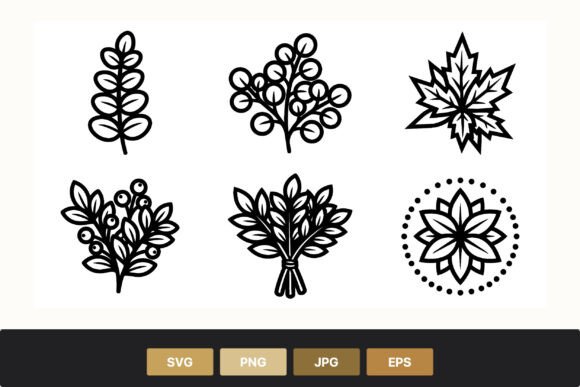
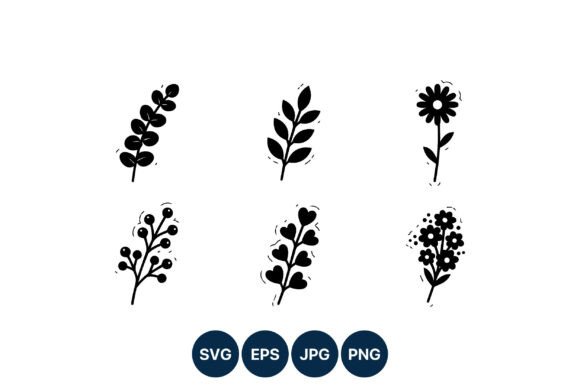
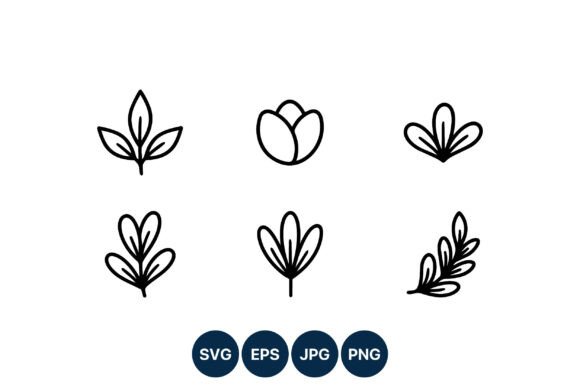
This set of Illustrations offers six distinct black line icons featuring simple leaf clusters and flower shapes. It is presented as a clean, graphic asset, but my job is to determine if it translates effectively to thread. Below is my practical evaluation of how this design performs in real-world scenarios, from custom custom apparel to high-volume Etsy seller listings.
The First Impression: Graphic Clarity vs. Stitch Reality
The immediate visual appeal of Minimal Simple Leaf and Floral Icons lies in its restraint. The design relies on negative space and clean lines rather than dense coverage. For an experienced embroiderer, this is both a blessing and a challenge. The mood is modern, airy, and sophisticated. It does not scream for attention; instead, it whispers. This makes it an excellent candidate for brands that want to convey elegance without clutter.
When looking at the source files—which include SVG, PNG, JPG, and EPS formats—it is clear that these were originally created as vector-based Graphics. This is crucial because it means the lines are crisp. However, converting thin vector lines into machine embroidery requires careful planning. If you simply digitize these as-is, you risk having a design that looks like a faint sketch rather than a finished product. The key here is interpretation. You need to decide whether to use a running stitch for a delicate outline effect or convert the lines into narrow satin stitch paths for a more defined, permanent look.
Real-World Application: Where This Design Shines
I tested the concept of Minimal Simple Leaf and Floral Icons across several common small business products. Here is where it naturally fits best:
- Custom Apparel and Sweatshirt Embroidery: On a heavyweight cotton sweatshirt, these minimal icons work beautifully as a small chest logo or a scattered pattern on the back. The lack of heavy fill allows the texture of the fabric to show through, creating a premium, understated look that appeals to customers tired of bulky logos.
- Tote Bag Design and Aprons: Canvas tote bags and kitchen aprons benefit from this style. Because the design is lightweight, it does not stiffen the fabric as much as a large block fill would. This is particularly important for handmade product sellers who want their items to remain functional and soft.
- Baby Embroidery and Nursery Decor: The gentle, organic shapes of the leaves and flowers are perfect for baby clothes, burp cloths, or nursery wall hangings. The minimal aesthetic feels safe and modern, avoiding the overly sweet or chaotic patterns often found in children's merchandise.
- Embroidered Patches and Caps: For structured items like caps or patches, clean lines are essential. A complex floral design can lose detail on a curved surface like a baseball cap brim. Minimal Simple Leaf and Floral Icons retains its integrity even on smaller hoop size constraints, making it a versatile choice for commercial embroidery projects.
Strategic Considerations for Craft Business Owners
For Etsy seller communities and small shop product creators, the value of this design extends beyond just the stitching. It serves as a strong design assets foundation. When you create a printable mockup for your online store, a minimal embroidery design photographs better. It allows the color of the garment to stand out without competing with a busy design. This clarity increases buyer engagement because the customer can easily visualize the final finished product.
Furthermore, this style supports brand consistency. If you are building a boutique brand around sustainability, nature, or minimalism, these icons align perfectly with those values. They suggest thoughtfulness and quality over quantity. When a customer sees a clean, well-executed leaf icon on a personalized gift, they perceive higher craftsmanship than they might with a mass-produced, heavily stitched item.
Pitfalls and Where to Use Caution
No design is universally perfect, and Minimal Simple Leaf and Floral Icons has specific areas where care must be taken. It is not a "set it and forget it" file. You must consider the following factors before committing to production:
- Fabric Texture and Stability: This design performs poorly on highly textured fabrics like chunky knits or terry cloth. The thin lines may get lost or distort. Similarly, avoid using it on stretchy fabrics unless you have stabilized them properly. Without adequate stabilizer, the minimal lines can pucker, ruining the clean aesthetic.
- Thread Color Contrast: Since the original artwork is black line art on white, you must ensure high contrast between your thread and the base fabric. Using white thread on a light gray shirt will result in an invisible design. Always test thread colors against your actual material.
- Small Hoop Sizes: While the design is minimal, if you attempt to scale it down too far, you will lose definition. Do not try to fit these icons into very small hoop size limits (under 3 inches) without reviewing the digitization closely. Tiny details can merge together, turning a delicate leaf into a dark spot.
- Dense Stitch Areas: Avoid placing this design near other dense elements. Because the icon itself is light, it needs breathing room. Placing it directly next to a heavy lettering block or a dense monogram will overwhelm the eye and make the embroidery look unbalanced.
Practical Designer Notes for Execution
If you decide to incorporate Minimal Simple Leaf and Floral Icons into your workflow, follow these steps to ensure professional results:
- Test on Scrap Fabric: Never run a full production batch without testing first. Use the same fabric and stabilizer combination you plan to use for the final product.
- Review Stitch Density: Check the digitized file for appropriate density. Thin lines should not be packed with too many stitches, which causes bulk, nor should they be so sparse that they break during trimming.
- Inspect Small Details: Zoom in on the leaf tips and flower centers. Ensure that any tiny connecting threads are anchored properly to prevent snagging.
- Check Licensing: Before selling finished items or digital products, confirm the licensing terms. Ensure you have the right to use these Illustrations for commercial purposes, especially if you are reselling the embroidered goods.
- Use Proper Stabilizer: Cut-away stabilizers are generally recommended for woven garments to maintain shape, while tear-away may suffice for stable home decor items like tea towels.
In conclusion, Minimal Simple Leaf and Floral Icons is a versatile, high-quality addition to any designer’s library. It excels in projects where subtlety and sophistication are valued. By paying attention to fabric choice, stabilization, and stitch execution, you can transform these simple graphics into compelling, marketable embroidery projects that resonate with modern consumers.