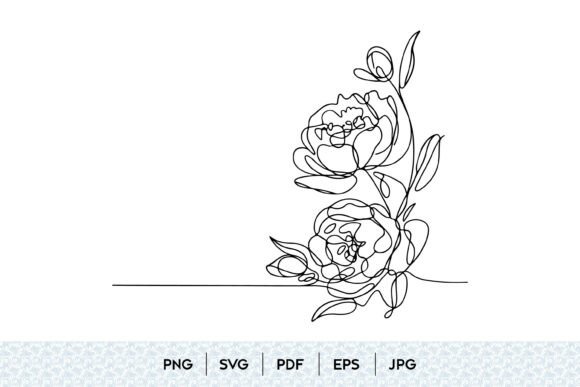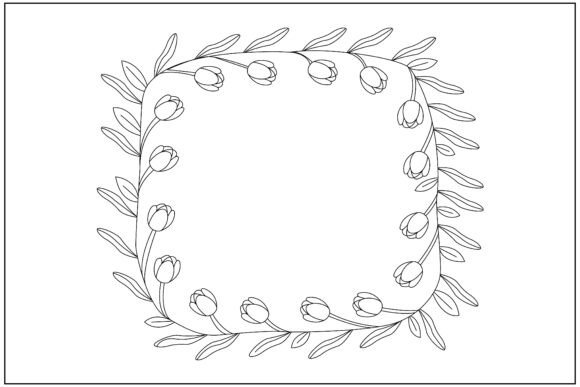
Tulip Floral Border Line Art Graphics and Illustrations Review
In the world of digital publishing, visual communication is not merely decorative; it is functional. As a blog designer who has spent years optimizing content for readability, click-through rates, and brand trust, I approach every new graphic design asset with a critical eye. Today, I am reviewing Tulip Floral Border Line Art, a versatile illustration set that promises to elevate editorial layouts, social media graphics, and digital products. This review focuses on how this specific asset fits into a real-world content publishing workflow, from affiliate marketing pages to newsletter headers.
First Impressions: Editorial Mood and Visual Identity
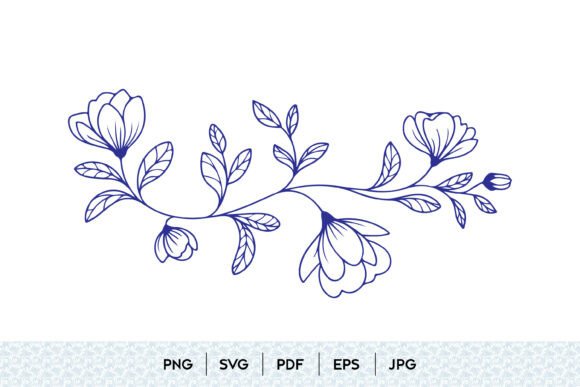
When you first load the preview of Tulip Floral Border Line Art, the immediate takeaway is its clean, minimalist aesthetic. In an era where web users are bombarded with cluttered visuals, line art offers a breath of fresh air. The design feels modern, sophisticated, and distinctly feminine without being overly ornate. It strikes a balance between playful and professional, making it an excellent choice for lifestyle bloggers, wellness coaches, small business owners, and creative entrepreneurs.
The mood created by these illustrations is one of calm authority. Unlike bold, heavy graphics that demand attention through color saturation, line art invites the reader in. It suggests that the content surrounding it is thoughtful and curated. For niche audiences interested in home decor, gardening, self-care, or creative hobbies, this visual language builds instant rapport. It signals that the publisher values aesthetics and attention to detail, which directly impacts reader trust.
Integrating Design Assets into Real Publishing Workflows
The true value of a graphic design asset lies in its versatility across different touchpoints. Based on the product description, these files are compressed in one ZIP file, offering a convenient package for designers who need multiple variations. Here is how Tulip Floral Border Line Art can be integrated into your daily content creation routine:
- Blog Featured Images: Use the tulip borders as framing elements around your headline text. This creates a clear visual hierarchy, drawing the eye to the core message while adding a touch of elegance.
- Pinterest Pins: Pinterest is a visual search engine. Clean line art performs exceptionally well here because it stands out against busy feeds. Pair these illustrations with bold, sans-serif typography for high-contrast pins that drive traffic.
- Newsletter Headers: Email marketing requires a polished look to maintain open rates. A subtle floral border at the top of your newsletter adds brand identity without distracting from the copy.
- Digital Guides and Lead Magnets: If you are creating downloadable resources, worksheets, or eBooks, these illustrations serve as perfect chapter dividers or cover accents. They enhance the perceived value of your digital product.
- Social Media Graphics: For Instagram posts or Facebook ads, use the line art as standalone backgrounds or overlays. They work beautifully for quote graphics, promotional announcements, or behind-the-scenes content.
Supporting Content Performance Through Visual Hierarchy
Good web design is about guiding the user’s eye. Tulip Floral Border Line Art supports content performance by establishing a consistent visual identity. When readers encounter the same design language across your website, Pinterest, and email newsletters, it reinforces brand recognition. This consistency reduces cognitive load, making your site feel more professional and trustworthy.
Furthermore, using high-quality illustrations like this improves the overall aesthetic of your affiliate marketing content. When you recommend products or services, having visually appealing graphics makes your recommendations feel less like sales pitches and more like curated suggestions. This subtle shift can improve click-through potential and conversion rates.
Strategic Placement: Where the Design Works Best
To maximize the impact of these illustrations, consider where they fit best within your editorial layout. The delicate nature of line art makes it ideal for:
- Hero Images: Use large-scale tulip illustrations as background elements behind your main value proposition. Ensure there is enough contrast so your text remains readable.
- Article Thumbnails: Smaller images need clarity. The simple lines of this asset scale well, ensuring the design remains recognizable even on mobile devices.
- Editorial Accents: Use smaller icons or border segments to separate sections of long-form content. This breaks up text blocks and improves readability.
- Category Visuals: Create a cohesive category page by applying the same floral theme to all sub-category icons. This helps users navigate your site intuitively.
Where to Use With Caution
While Tulip Floral Border Line Art is versatile, it is not a one-size-fits-all solution. There are scenarios where this design asset might not be the best choice:
- Small Mobile Thumbnails: On very small screens, intricate details may get lost. Test the asset at thumbnail size to ensure it remains legible.
- Text-Heavy Blog Images: Avoid placing dense blocks of text over complex line art. This can reduce readability and frustrate users.
- Low-Contrast Backgrounds: Black line art on a dark gray background, or white line art on a light beige background, will disappear. Always check contrast ratios.
- Serious Professional Niches: For corporate law, finance, or medical content, this playful aesthetic might undermine the seriousness of your message. Stick to minimal, geometric graphics for these industries.
Practical Publisher Notes for Implementation
As an experienced digital publisher, I cannot stress enough the importance of technical preparation. Before deploying Tulip Floral Border Line Art on your monetized websites or affiliate pages, follow these best practices:
Test Across Devices: Preview your designs on desktop, tablet, and mobile screens. Ensure that the aspect ratio works for both square social media posts and rectangular blog headers.
Font Pairing: Experiment with typography. These illustrations pair well with elegant serif fonts for a classic look, clean sans-serif fonts for a modern feel, or handwritten scripts for a personal touch. Avoid pairing them with overly decorative display fonts that compete for attention.
File Size and Performance: Web performance is crucial for SEO. Compress your images properly using tools like TinyPNG or Squoosh. Large image files can slow down your site, negatively impacting user experience and search rankings.
Commercial Licensing: Always confirm the commercial license before using these assets for profit-generating activities. Whether you are selling digital downloads, running ads, or building an email list, ensure you have the right to use the graphics commercially. This protects your small business branding and avoids legal issues.
Black and White Testing: Convert your designs to grayscale to check for contrast issues. If the design loses impact in black and white, it may struggle in low-light viewing conditions or when printed.
Conclusion: A Valuable Addition to Your Creative Toolkit
Tulip Floral Border Line Art is more than just a pretty picture; it is a strategic tool for enhancing your online presence. By incorporating these illustrations into your blog graphics, editorial design, and digital products, you create a cohesive and professional brand identity. Whether you are designing a Canva template, creating a lead magnet, or updating your website header, this asset provides the polish that readers expect.
For bloggers, publishers, and content creators looking to elevate their visual storytelling, this graphic design asset offers significant value. It supports better content presentation, strengthens brand recall, and ultimately helps you build deeper connections with your audience. Just remember to test thoroughly, respect licensing agreements, and always prioritize readability. When used thoughtfully, Tulip Floral Border Line Art can transform your content from ordinary to exceptional.